
E-Bike Battery Fires and Burn Injuries: Warning Signs, Recalls and Immediate Steps in 2026
An e-bike battery can look normal one moment and become a serious fire hazard the next. Lithium-ion battery failures may release intense heat, smoke, flammable gases, flames, or explosions, especially when a battery has been damaged, modified, exposed to water, paired with the wrong charger, or built with defective components.

Distracted Driving in 2026: Phones, Touchscreens and the Evidence Left Behind
A distracted-driving crash rarely comes with an obvious admission. A driver may deny using a phone, say the vehicle’s touchscreen caused only a momentary glance, or claim that a notification arrived after the impact. Witnesses may remember the driver looking down, but electronic records, camera footage, and vehicle data can

Concussion Symptoms After a Minor Fall or Crash: When to Seek Emergency Care in 2026
A fall from a step, a low-speed vehicle collision, a bicycle crash, or a hard hit to the body may seem minor at first. The person may stay awake, speak normally, and have no obvious wound. Hours later, however, headache, dizziness, nausea, slowed thinking, irritability, or unusual tiredness may begin.

Workplace Heat Illness in 2026: Warning Signs, Prevention and Documentation
Workplace heat illness is not limited to roofers, farm crews, or road workers standing in direct sun. It can also affect employees in warehouses, kitchens, laundries, factories, delivery vehicles, boiler rooms, construction interiors, and other spaces where heat, humidity, physical effort, radiant equipment, or protective clothing prevent the body from
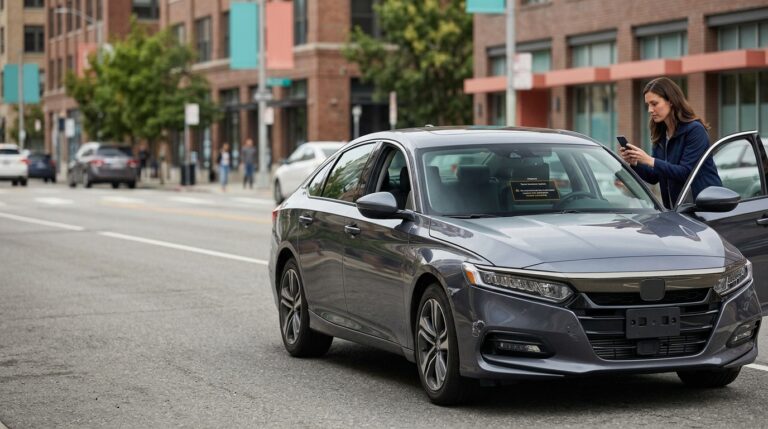
Was Driver-Assistance Technology Active During Your Crash? Evidence to Preserve in 2026
Preserve third-party records and seek help when the stakes are high Modern vehicles can warn about hazards, apply the brakes, adjust speed, and help keep a car centered in its lane. After a collision, those features may become an important part of the investigation. A driver may say adaptive cruise

E-Bike and E-Scooter Accidents: What to Do After a Crash in 2026
E-bikes and electric scooters make short trips faster, but their speed, weight, small wheels, and quiet operation can turn a routine ride into a serious crash. Riders may collide with a vehicle, strike a road defect, lose control because of a mechanical problem, or hit a pedestrian. Even a low-speed